
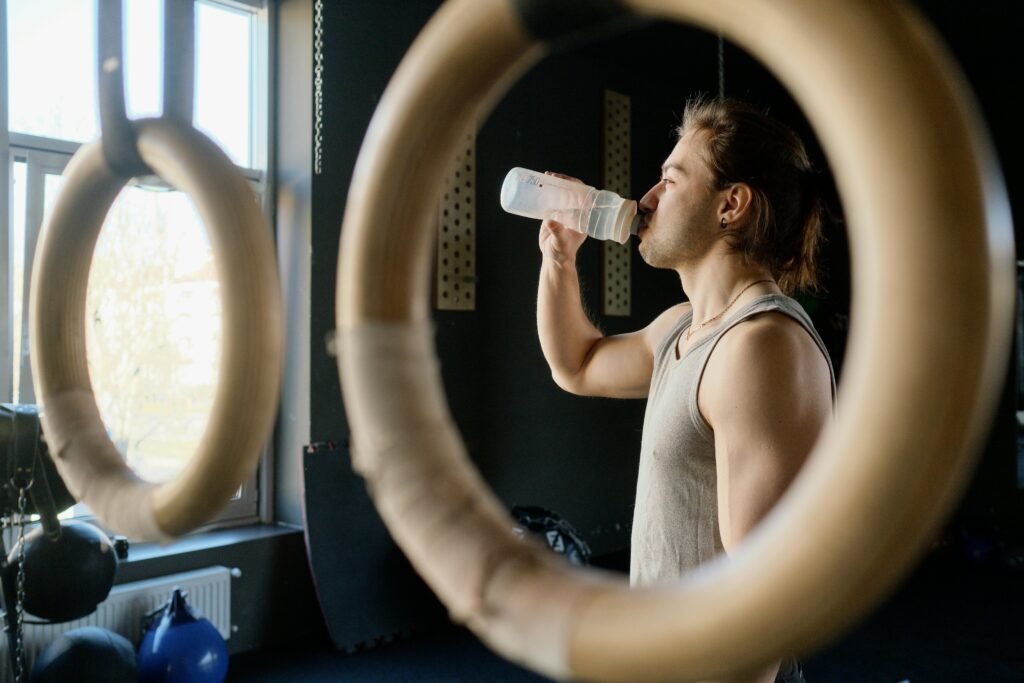
Staying hydrated is one of the simplest yet most important habits for good health. Many people ask the same question every day: how much water do you have to drink a day? While the answer can vary depending on lifestyle and body needs, there are general guidelines that can help you stay properly hydrated and feel your best.
Why Drinking Enough Water Matters for Your Health
Drinking enough water is essential for maintaining good health and overall well-being. Water helps regulate body temperature, supports digestion, and aids in the absorption of nutrients. Staying hydrated keeps joints lubricated, promotes healthy skin, and helps flush toxins from the body. Even mild dehydration can lead to fatigue, headaches, and difficulty concentrating. Proper hydration also supports heart health and helps maintain energy levels throughout the day. By drinking enough water daily, you support your body’s natural functions and improve both physical and mental performance. Making hydration a daily habit is a simple yet powerful step toward better health.
How Much Water Do You Have To Drink A Day?
A commonly recommended guideline is:
- About 2–3 liters per day, which equals 8–12 cups of water
More specifically:
- Women: Around 2.2 liters (9 cups) daily.
- Men: Around 3 liters (12 cups) daily.
These amounts include water from beverages and food; however, drinking plain water should still be your primary source of hydration.
Factors That Affect Your Daily Water Needs
There is no single perfect number for everyone. Your daily water intake may need to increase if you:
- Exercise regularly or sweat a lot.
- Live in a hot or humid climate.
- Consume a high-protein or high-fiber diet.
A simple way to adjust is to drink extra water before, during, and after physical activity.
Listen to Your Body
Your throat feels thirst it’s a clear signal that you need water. Thirst is the most obvious sign, but urine color is also a helpful indicator.
Tips to Stay Hydrated Throughout the Day.
- As soon wake-up from bed dring 1 cup of water every day.
- Carry 1 water bottle wherever you go.
- Drink water before eating food.
- Eat fruits and vegetables that are rich in water content.