

1. Introduction: Why Is Regular Exercise Important?
Have you ever noticed how a short walk can lift your mood or help you feel more energetic? That is one of the many benefits of regular physical activity. Exercise is not just about losing weight or building muscles; it is an essential part of living a healthier, happier, and more active life.
In today’s busy world, many people spend hours sitting at desks, using mobile phones, or watching television. Although modern lifestyles make daily tasks easier, spending too much time sitting can negatively affect our health. Regular exercise helps counter these effects by keeping the body active and supporting both physical and mental well-being.
The good news is that you do not need an expensive gym membership or hours of free time to enjoy the benefits. Simple activities such as walking, cycling, dancing, or stretching can make a meaningful difference when practised consistently.
Let’s explore why exercise matters, which activities you can try, and how to make movement a natural part of your daily routine.
2. Benefits of Regular Exercise
Regular physical activity supports many aspects of health. Even moderate exercise, performed consistently, can improve how you feel today and support your long-term well-being.
Improves Heart Health
Exercise strengthens the heart and helps it pump blood more efficiently. Activities such as brisk walking, swimming, and cycling can improve cardiovascular fitness and help manage blood pressure. Regular physical activity can also help improve cholesterol levels and reduce the risk of heart disease and stroke.
For example, taking a brisk 20-minute walk during your lunch break is a simple way to begin caring for your heart.
Strengthens Muscles and Bones
Muscles and bones help us move, maintain balance, and perform everyday tasks. Strength training, bodyweight exercises, and weight-bearing activities help build or maintain muscle strength and support bone health.
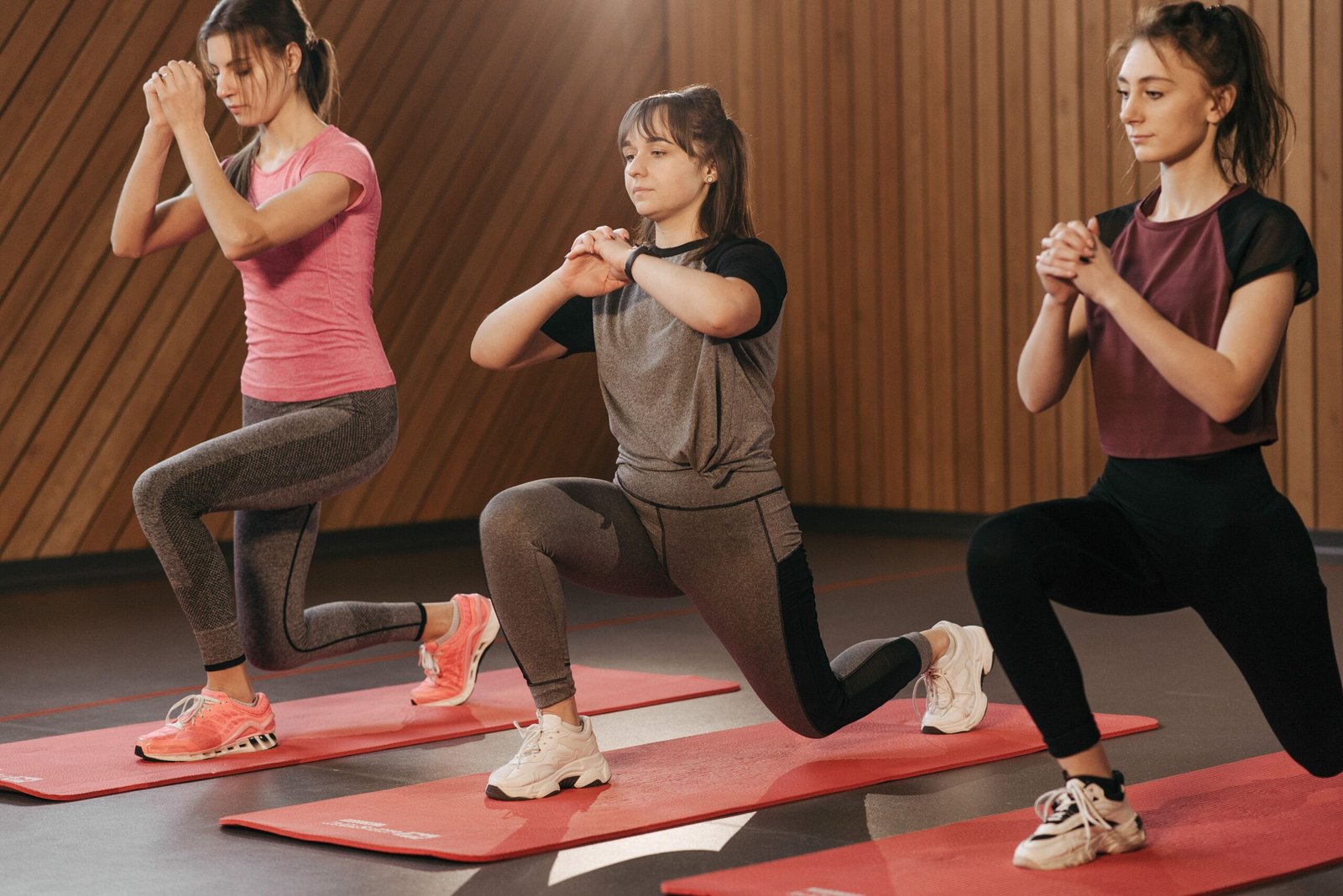
Exercises such as squats, stair climbing, and resistance-band workouts can improve strength and stability. Stronger muscles also make everyday activities, such as carrying groceries or climbing stairs, easier.
Supports Healthy Weight Management
Physical activity helps the body use energy and supports the maintenance of a healthy weight. Combined with balanced eating and adequate sleep, exercise can help manage body fat and preserve muscle mass.
Remember, exercise is not only about the number on the scale. Improvements in strength, stamina, mobility, and overall fitness are valuable signs of progress, too.
Improves Sleep Quality
Do you sometimes struggle to fall asleep or wake up feeling tired? Regular physical activity may help you sleep better and support a more consistent sleep routine. Better sleep can also improve concentration, mood, and daytime energy.
Choose activities that suit your schedule and body. If vigorous exercise close to bedtime makes you feel more alert, try exercising earlier in the day.
Reduces Stress and Supports Mental Well-Being
Exercise can help reduce stress, improve mood, and ease symptoms of anxiety and depression for many people. Physical activity supports brain health and may help you feel calmer and more positive.
Walking outdoors, cycling through a park, or joining a yoga class can provide both movement and a refreshing break from daily pressures.
Helps Prevent Lifestyle-Related Diseases
A physically active lifestyle can lower the risk of several chronic conditions, including type 2 diabetes, heart disease, and some cancers. Exercise helps improve how the body regulates blood sugar and supports healthy blood pressure and cholesterol levels.
Although exercise cannot prevent every disease, it is an important part of a healthy lifestyle alongside nutritious food, sufficient sleep, and regular medical care.
3. Types of Exercise to Include in Your Routine
There is no single exercise that suits everyone. The best routine combines activities you enjoy and can maintain safely.
- Walking: An easy, affordable way to improve cardiovascular fitness. Start with a 10-minute walk and gradually increase the duration.
- Jogging: A more vigorous activity that builds stamina and strengthens the cardiovascular system. Alternate jogging with walking if you are a beginner.
- Cycling: Supports heart health and strengthens the leg muscles. You can cycle outdoors or use a stationary bicycle.
- Swimming: Provides a full-body workout while placing relatively little stress on the joints. It can be a good option for people who find some weight-bearing activities uncomfortable.
- Strength training: Includes lifting weights, using resistance bands, or doing bodyweight exercises such as squats and modified push-ups. It helps maintain muscle strength and bone health.
- Yoga: Combines movement, balance, breathing, and relaxation. It can improve flexibility and may help manage stress.
- Stretching: Helps maintain flexibility and comfortable movement. Gentle dynamic movements are useful before exercise, while relaxed stretches can be included afterward.
Try different activities to discover what you enjoy. Combining aerobic exercise, strength training, and flexibility work can help you develop a more balanced routine.
4. How Much Exercise Do We Need?
For most adults, the World Health Organization recommends 150–300 minutes of moderate-intensity aerobic activity per week, or 75–150 minutes of vigorous-intensity activity, or an equivalent combination of both.
Adults should also perform muscle-strengthening activities involving the major muscle groups on at least two days each week. Reducing prolonged sitting and moving more throughout the day are important, too.
Moderate-intensity activities include brisk walking and casual cycling at a pace that raises your breathing while still allowing you to talk. Vigorous activities, such as running, make talking more difficult.
If you are a beginner, do not feel pressured to reach these targets immediately. Start with manageable steps:
- Walk for 5–10 minutes a day.
- Add a few minutes as your fitness improves.
- Take the stairs when comfortable or walk during phone calls.
- Gradually work toward your weekly activity target.
- Include strength exercises on two days of the week when you are ready.
Some activity is better than none. If you have a chronic health condition, significant joint problems, or have been inactive for a long time, seek medical advice if you are unsure which activities are suitable for you.
5. Tips to Make Exercise a Daily Habit
Building a consistent exercise routine does not have to be difficult. Small, practical changes can help you stay active without making your schedule feel overwhelming.
- Set realistic goals: Start with achievable targets, such as walking for 15 minutes a day or exercising three times a week. Increase your goals as your fitness improves.
- Choose activities you enjoy: If you dislike running, try dancing, swimming, cycling, or playing a sport. Enjoyable activities are easier to maintain.
- Create a schedule: Set aside a specific time for exercise, such as before breakfast, during lunch, or after work. Treat it as an important appointment.
- Track your progress: Use a notebook, calendar, or fitness app to record your activity. Seeing your progress can help you stay motivated.
- Find an exercise partner: Walking with a friend or joining a group class can make exercise more enjoyable and help you stay accountable.
- Include movement in everyday tasks: Walk while taking phone calls, stretch during breaks, or take the stairs instead of the lift when practical.
- Celebrate small achievements: Completing your first week of regular walks is worth celebrating. Focus on consistency rather than perfection.
Remember that missing a workout occasionally is normal. Instead of giving up, return to your routine when you can.
6. Common Exercise Mistakes to Avoid
Exercise offers many benefits, but developing safe habits is just as important as staying active.
Skipping the Warm-Up
Starting intense exercise without preparing your body can make the activity feel uncomfortable and may increase the risk of injury. Begin with 5–10 minutes of gentle movement, such as walking slowly or moving your arms and legs.
Not Drinking Enough Water
Your body loses water through sweat, especially during hot weather or vigorous exercise. Drink water regularly and adjust your fluid intake to the temperature, duration, and intensity of your activity. In hot climates, choose cooler times of day and avoid exercising outdoors during extreme heat.
Ignoring Rest and Recovery
Your body needs time to recover between challenging workouts. Include rest or lighter-activity days in your schedule, get adequate sleep, and avoid repeatedly training the same muscle groups intensely without sufficient recovery.
Persistent pain, unusual fatigue, or declining performance may indicate that you need to reduce your workload.
Increasing Intensity Too Quickly
Doing too much too soon can lead to soreness, injury, or loss of motivation. Increase your exercise duration and intensity gradually as your fitness improves. Beginners can build a strong foundation with short walks and simple bodyweight exercises.
Comparing Yourself With Others
Everyone starts at a different fitness level. Comparing your progress with someone else’s can create unnecessary pressure. Focus on your own improvements and choose activities that suit your abilities and health needs.
Stop exercising and seek urgent medical attention if you experience chest pain, fainting, or severe or unusual shortness of breath.
7. Conclusion: Take the First Step Toward a Healthier Life
Regular exercise is one of the simplest and most effective ways to support a healthy lifestyle. It strengthens the heart, muscles, and bones, helps manage weight, improves sleep, boosts energy, and supports mental well-being. Over time, it can also reduce the risk of several lifestyle-related diseases.
You do not need to change your entire lifestyle overnight. Start with a short walk, try a new activity, or spend a few minutes stretching each day. As these small actions become habits, you can gradually build a routine that fits your goals and daily schedule.
The key is to stay consistent, listen to your body, and choose movement that you enjoy. Every step counts, and even small improvements can contribute to better long-term health.
Ready to get started? Take the first step today! Put on your comfortable shoes and enjoy a 10-minute walk, take the stairs, or try a simple home workout. Choose one activity you can repeat tomorrow, and begin building a healthier, more active life—one day at a time.