

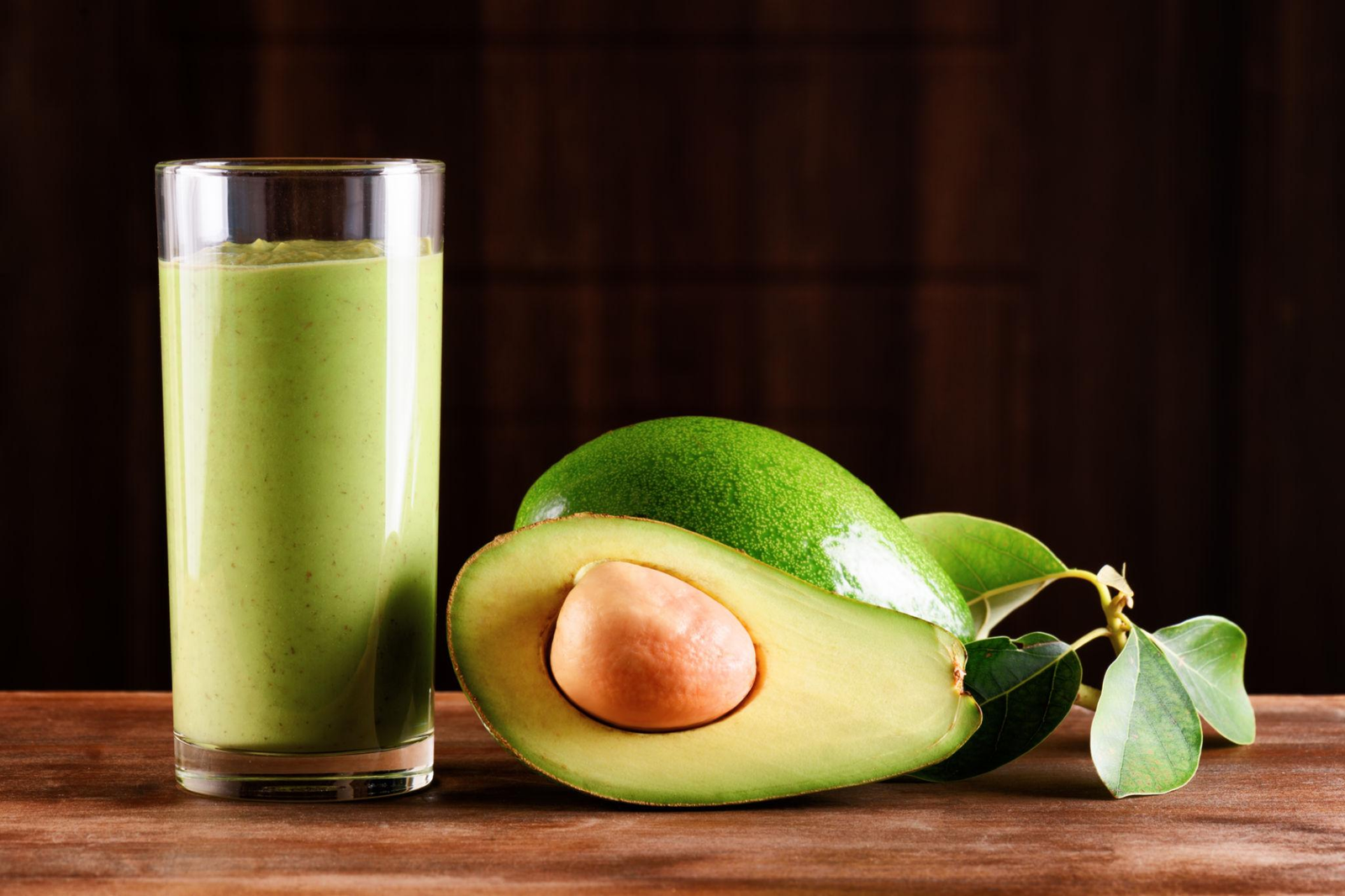
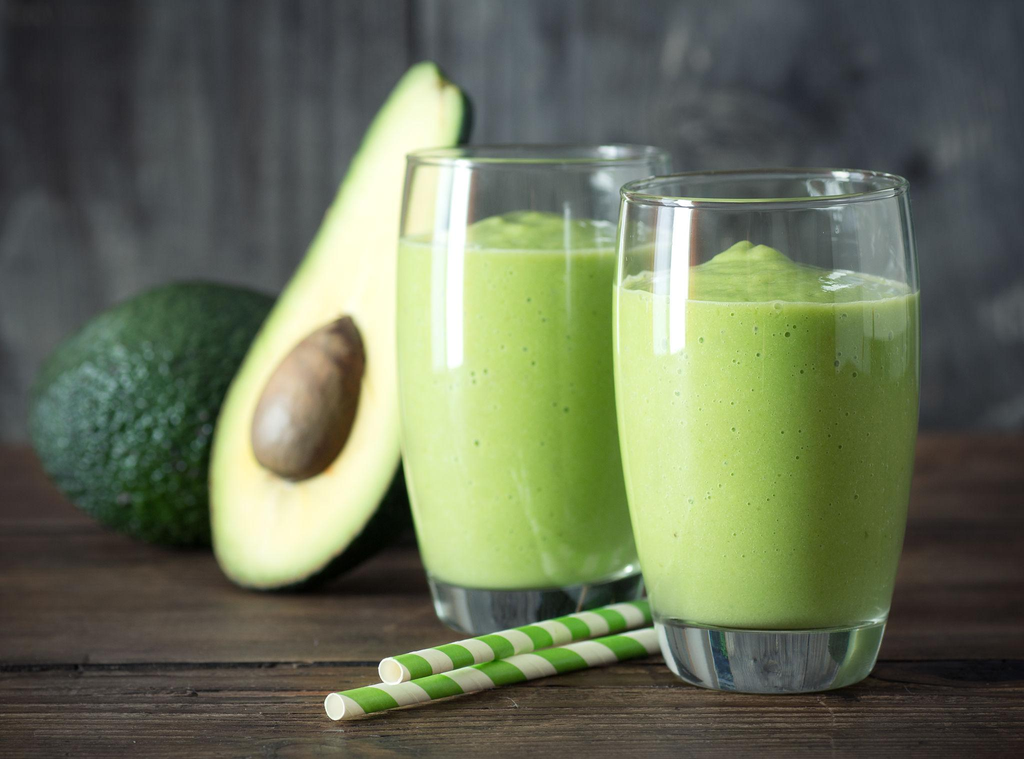
Avocados have become one of the most popular foods among health-conscious people, fitness enthusiasts, and anyone looking to improve their diet. Known for their creamy texture, delicious taste, and impressive nutritional profile, avocados offer several benefits that support overall health, muscle recovery, weight management, and heart health.
But is avocado good for weight loss? Can it help you gain weight? Does eating avocado every day improve your fitness results?
The answer depends on how you include it in your daily diet.
Whether your goal is to lose body fat, build muscle, gain healthy weight, or simply eat better, avocado can be a valuable addition to your nutrition plan.
In this guide, we will explore avocado nutrition, health benefits, weight-loss benefits, weight-gain potential, and practical ways to include it in your daily meals.
- What Is an Avocado?
Avocado is a nutrient-rich fruit that grows on the avocado tree (Persea americana). Unlike many other fruits, which are mainly rich in carbohydrates and natural sugars, avocado is particularly known for its healthy fat content.
It contains essential nutrients such as:
- Healthy monounsaturated fats.
- Dietary fibre.
- Potassium.
- Vitamin K.
- Vitamin E.
- Vitamin C.
- Folate (vitamin B9).
- Vitamin B6.
Its combination of healthy fats, fibre, and essential nutrients makes avocado an excellent option for balanced nutrition.
- Avocado Nutrition Facts
Avocado provides a range of nutrients that support everyday health and fitness.
Nutritional value of 100 grams of raw avocado (approximately):
Nutrient Amount
Calories 160 kcal
Total fat 14.7 g
Carbohydrates 8.5 g
Dietary fibre 6.7 g
Protein 2 g
Sugar 0.7 g
Potassium 485 mg
Vitamin C 10 mg
Vitamin E 2.1 mg
Vitamin K 21 µg
Values are approximate and can vary depending on the avocado variety and ripeness.
One important thing to understand is that avocado contains more calories than many other fruits because of its fat content. However, most of its fat is monounsaturated fat, which is considered beneficial for heart health.
3. Top Health Benefits of Avocado
3.1 Supports Heart Health
Avocado contains monounsaturated fats, particularly oleic acid, which can help support healthy cholesterol levels when used in place of foods high in saturated fats.
Including avocado as part of a balanced diet may help:
- Support healthy LDL cholesterol levels.
- Maintain healthy HDL cholesterol levels.
- Improve overall dietary fat quality.
- Support cardiovascular health.
3.2 Improves Digestive Health
Avocados are a good source of dietary fibre.
Fibre supports digestion, helps maintain regular bowel movements, and supports beneficial gut bacteria.
Eating fibre-rich foods like avocado can also help you feel satisfied for longer.
3.3 Supports Healthy Blood Pressure
Avocados contain potassium, an essential mineral that helps regulate fluid balance and supports normal muscle and nerve function.
Adequate potassium intake also helps maintain healthy blood pressure, especially when combined with a balanced diet that is not excessively high in sodium.
3.4 Supports Skin and Hair Health
Avocados provide vitamin E, vitamin C, and healthy fats.
These nutrients contribute to:
- Normal skin function.
- Protection of cells from oxidative stress.
- Collagen production through vitamin C.
- Healthy overall nutrition.
Avocado is not a miracle treatment for skin or hair problems, but it can contribute to a nutrient-rich diet.
3.5 Helps the Body Absorb Vitamins
Some vitamins, including vitamins A, D, E, and K, are fat-soluble.
The healthy fats in avocado can help your body absorb these nutrients when eaten alongside foods containing them.
For example, adding avocado to a salad containing carrots and leafy greens can help improve the absorption of certain fat-soluble nutrients.
4. Is Avocado Good for Weight Loss?
Yes! Avocado can be a good food choice for people trying to lose weight, provided it is eaten in appropriate portions and included in a calorie-controlled diet.
Although avocado contains calories, its healthy fats and fibre can help support weight management.
How avocado supports weight loss
- Helps you feel full for longer
Avocado contains healthy fats and dietary fibre. These nutrients can help increase feelings of fullness, potentially reducing unnecessary snacking.
- Supports appetite management
Adding avocado to meals may make them more satisfying, helping you manage hunger between meals.
- Provides nutritional value
During weight loss, it is important to eat nutrient-rich foods rather than simply reducing food intake. Avocado provides several vitamins, minerals, and healthy fats.
- Supports a balanced diet
Replacing foods high in saturated fats with moderate portions of avocado can improve the overall nutritional quality of your meals.
How much avocado should you eat for weight loss?
A practical starting portion is:
- ¼ to ½ medium avocado per meal.
- Approximately 50–75 grams.
- Add it to breakfast, lunch, or a salad.
Remember: weight loss primarily depends on maintaining a calorie deficit over time. Eating avocado alone will not burn body fat.
- Is Avocado Good for Weight Gain?
Absolutely! Avocado can be particularly useful for people who want to gain weight in a healthy way.
Because it is relatively calorie-dense, you can increase your daily calorie intake without having to eat very large portions of food.
How avocado supports healthy weight gain
- Provides additional calories
A 100-gram serving contains approximately 160 calories, making avocado an easy way to add energy to meals.
- Contains healthy fats
Its monounsaturated fats provide concentrated energy and help improve the nutritional quality of your diet.
- Works well with protein-rich foods
You can combine avocado with eggs, chicken, Greek yoghurt, milk, or protein-rich smoothies to create balanced meals.
- Helps increase daily calorie intake
Adding avocado to existing meals can help you reach your calorie surplus more comfortably.
Best ways to eat avocado for weight gain
- Avocado and banana smoothies.
- Avocado with peanut butter on whole-grain toast.
- Avocado with eggs for breakfast.
- Chicken and avocado sandwiches.
- Avocado with Greek yoghurt and nuts.
Important: For healthy weight gain, combine a moderate calorie surplus with resistance training and sufficient protein. This supports muscle growth rather than relying only on increasing body fat.
- Avocado for Fitness and Muscle Building
Avocado is a useful food for people who exercise regularly, including gym enthusiasts, runners, athletes, and individuals following strength-training programmes.
However, avocado is not a high-protein food. It works best as part of a balanced fitness diet.
Benefits for fitness enthusiasts
Energy support: Its healthy fats provide a concentrated source of dietary energy.
Muscle function: Potassium supports normal muscle function and nerve signalling.
Recovery nutrition: Its vitamins, minerals, and fats contribute to overall nutritional intake, supporting a balanced recovery diet.
Meal satisfaction: Fibre and fats can help make meals more filling.
Can avocado build muscle?
Avocado does not directly build muscle. Muscle growth requires:
- Progressive resistance training.
- Adequate daily protein.
- Sufficient calories.
- Quality sleep and recovery.
- Consistent training.
You can combine avocado with protein-rich foods to create an excellent muscle-building meal.
For example:
Food Main benefit
Avocado Healthy fats and calories
Eggs High-quality protein
Chicken breast Lean protein
Brown rice Carbohydrates for energy
Greek yoghurt Protein and calcium
- Best Time to Eat Avocado
There is no single best time to eat avocado. You can enjoy it at different times depending on your dietary goals.
Morning – Breakfast
Combine avocado with eggs and whole-grain toast for a satisfying breakfast.
Afternoon – Lunch
Add avocado to chicken salads, sandwiches, or rice bowls for healthy fats and fibre.
After Workout
Blend avocado with banana, milk, and protein powder for a calorie-rich recovery smoothie.
Evening – Dinner
Include a moderate serving with fish, chicken, vegetables, or other balanced meals.
- Healthy Avocado Recipes for Weight Loss and Weight Gain
Here are four simple recipes you can prepare at home.
Recipe 1: Avocado Toast for Weight Loss
Ingredients:
- ½ avocado.
- 1 slice whole-grain bread.
- 1 boiled egg.
- Lemon juice.
- Black pepper.
Preparation:
- Mash the avocado.
- Spread it over whole-grain toast.
- Add sliced boiled egg.
- Season with lemon juice and black pepper.
Why it’s good: Provides fibre, healthy fats, and protein in a satisfying breakfast.
Recipe 2: Avocado Banana Smoothie for Weight Gain
Ingredients:
- ½ avocado.
- 1 banana.
- 250 ml milk.
- 1 tablespoon peanut butter.
- Optional protein powder.
Preparation:
- Add all ingredients to a blender.
- Blend until smooth.
- Serve immediately.
Why it’s good: Provides additional calories, carbohydrates, and healthy fats. Adding protein powder can increase its protein content.
Recipe 3: Chicken Avocado Salad for Fitness
Ingredients:
- 100–150 g grilled chicken breast.
- ½ avocado.
- Lettuce.
- Cucumber.
- Cherry tomatoes.
- Lemon juice.
Preparation:
- Grill the chicken.
- Chop the vegetables and avocado.
- Combine everything in a bowl.
- Add lemon juice and seasoning.
Why it’s good: Provides protein, fibre, healthy fats, and essential nutrients.
Recipe 4: Avocado Peanut Butter Sandwich
Ingredients:
- 2 slices whole-grain bread.
- ½ avocado.
- 1 tablespoon peanut butter.
- 1 banana (optional).
Preparation:
- Toast the bread.
- Spread peanut butter on one slice.
- Add mashed avocado.
- Add banana slices if desired.
Why it’s good: A calorie-rich option for people looking to increase their daily energy intake. - Possible Side Effects of Eating Too Much Avocado
Although avocado is nutritious, eating too much may not be suitable for everyone.
Potential considerations include:
- Excess calorie intake: Large portions can make it harder to maintain a calorie deficit.
- Digestive discomfort: Increasing fibre intake too quickly may cause bloating or gas.
- Allergic reactions: Some people may have an avocado allergy.
- Individual dietary requirements: People with specific medical conditions or prescribed dietary restrictions should follow professional advice.
Moderation and portion control are important.
- Weight Loss vs Weight Gain: How Should You Eat Avocado?
Your portion size and overall daily calorie intake matter more than the food itself.
Goal Suggested approach
Weight loss ¼–½ avocado with balanced meals
Weight maintenance Moderate portions as part of a varied diet
Healthy weight gain Add avocado to calorie-rich meals
Muscle building Combine avocado with protein and carbohydrates
General health Include it regularly in a balanced diet
These are practical serving suggestions, not strict medical prescriptions.
11. Frequently Asked Questions (FAQs)
Q1. Can I eat avocado every day?
Yes. Most healthy adults can enjoy avocado daily as part of a balanced diet. Pay attention to portion sizes because it is calorie-dense.
Q2. Does avocado burn belly fat?
No. Avocado does not directly burn belly fat. However, its fibre and healthy fats can support fullness and make it easier to follow a weight-management diet. Losing belly fat requires an overall reduction in body fat.
Q3. Is avocado good for people who go to the gym?
Yes. Avocado provides healthy fats, fibre, potassium, and other nutrients. Combine it with protein-rich foods to support your fitness goals.
Q4. Can avocado help me gain weight?
Yes. Its calorie density makes it useful for increasing daily calorie intake. Combine it with protein-rich foods and resistance training for healthier weight gain.
Q5. Is avocado high in protein?
No. Avocado contains approximately 2 grams of protein per 100 grams. It is primarily a source of healthy fats and fibre. Eggs, chicken, fish, and Greek yoghurt are better protein sources.
Q6. Is avocado good to eat at night?
Yes. There is no scientific reason that healthy adults need to avoid avocado at night. Your overall daily calorie and nutrient intake matters more than the time you eat it.
Q7. How many calories are in one avocado?
A medium avocado’s edible portion can provide approximately 240–320 calories, depending on its size and variety.
Q8. Is avocado better for weight loss or weight gain?
It can support both goals. For weight loss, control your portions and maintain a calorie deficit. For weight gain, include larger portions as part of a calorie surplus.
Q9. Can I eat avocado before a workout?
Yes, but because it contains fat and fibre, a large serving immediately before exercise may feel heavy. A smaller portion with easily digested carbohydrates may work better.
Q10. Does avocado improve heart health?
Avocado contains monounsaturated fats and potassium. Replacing some saturated fats with avocado may help improve cholesterol levels and support cardiovascular health.
- Conclusion: Should You Add Avocado to Your Daily Diet?
Avocado is more than just a trendy food. It is a nutrient-rich fruit that can play an important role in a healthy lifestyle.
Whether your goal is weight loss, healthy weight gain, muscle development, or general fitness, avocado offers several nutritional benefits.
Its healthy fats, fibre, potassium, and vitamins make it a valuable addition to balanced meals.
However, remember that no single food can transform your body. Your results depend on your overall diet, physical activity, sleep, and consistency.
Start including avocado in your meals today! Try it with eggs for breakfast, chicken salad for lunch, or a banana smoothie after your workout.
Small, consistent improvements in your nutrition can make a big difference over time.